Column · @thecleanroom
Who Is Responsible for Arranging a Carpet Mold Inspection in a Rental Property?
In a rental property, the responsibility for arranging a carpet mold inspection falls on the landlord or property manager. They own the building and are legally obligated to provide a safe, habitable living space. Mold growth, especially on carpets, is a clear sign of excessive moisture or water damage, and addressing it quickly is essential to protect both the structure and the occupants’ health. A tenant can request an inspection, but the property owner should be the one to schedule and pay for it.
That is the short answer. The longer explanation involves lease terms, local housing laws, and the practical steps both parties must take when mold appears. Understanding these details helps everyone avoid disputes, costly damage, and health problems.
Why Mold on Carpets Matters in a Rental
Carpets trap moisture, dust, and organic debris, making them a perfect breeding ground for mold. Once mold takes hold, it spreads fast. In a rental property, the issue is compounded because multiple people live in the space over time, and the carpet may not be cleaned or replaced as often as it should be. Mold on carpet does not just look unpleasant. It releases spores into the air that can trigger allergies, asthma attacks, and respiratory infections. For properties like hotels, where guests come and go constantly, the stakes are even higher. A musty carpet in a hotel room can ruin a guest’s stay and hurt the business’s reputation. That is why the focus keyword "hotel carpet mold removal" is so relevant to this discussion. Hotels face the same core challenge as any rental: who takes charge when mold appears?
The Landlord’s Basic Duty
In almost every jurisdiction, landlords have an implied warranty of habitability. This legal principle means the property must be safe, clean, and fit to live in. Mold is a direct threat to habitability. If a carpet is water-damaged and moldy, the landlord must fix it. That starts with a proper inspection. The landlord arranges for a qualified professional to assess the extent of the mold, identify the moisture source, and recommend remediation. The cost of the inspection is generally the landlord’s expense, not the tenant’s. A tenant who pays for the inspection out of pocket and then deducts it from rent may face legal pushback, but in many states, they can do so if the landlord ignores the problem after being notified in writing.
When the Tenant Should Act First
Even though the landlord holds the ultimate responsibility, the tenant is often the first to notice mold. A dark patch near the baseboard, a persistent earthy smell, or a damp spot under a chair. In those cases, the tenant should notify the landlord or property manager in writing as soon as possible. A simple email or a note through the rental portal works, but a written record is critical. It proves the tenant reported the issue. If the landlord does nothing within a reasonable time (often ten to fourteen days, depending on state law), the tenant may have the right to withhold rent, break the lease, or arrange the inspection themselves and deduct the cost. The key word is "reasonable." If the mold is spreading and making the air quality hazardous, waiting two weeks might be too long. In that case, the tenant should push harder, even contacting local code enforcement if necessary.
Hotel Carpet Mold Removal: A Special Case
Hotels are not ordinary rentals. They operate under commercial property laws and have higher cleanliness standards because of health department regulations. A hotel guest does not have the same rights as a long-term tenant, but the hotel management has a strong business incentive to act fast. A single room with mold can lead to negative reviews, lost bookings, and health inspections. Hotel carpet mold removal is often handled internally by the maintenance team or outsourced to a restoration company. The hotel’s management is fully responsible for arranging inspections and remediation. Guests should report any signs of mold immediately to the front desk, and hotel staff should document the complaint. In many jurisdictions, hotels must follow specific protocols for mold abatement to keep their operating license. Unlike a residential tenant, a hotel guest cannot demand an inspection on their own. But they can leave and ask for a refund if the room is unsafe.
What a Proper Mold Inspection Covers
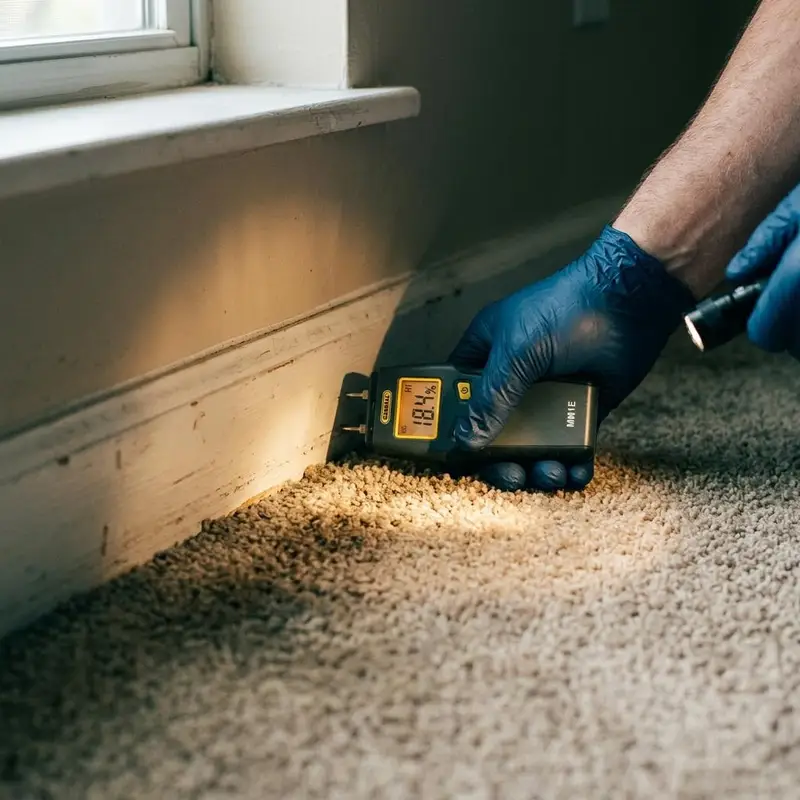
A thorough inspection does not just look at the carpet. It checks for moisture in the subfloor, the padding underneath, and the walls nearby. The inspector uses moisture meters, thermal imaging cameras, and sometimes air quality tests to measure spore counts. They determine whether the mold is surface-level (cleanable) or has penetrated deep into the padding or the floor structure. If the mold is extensive, the carpet and pad may need to be removed entirely, the area dried thoroughly, and the subfloor treated. This is where a professional service like Carpet Mold Removal Services Pros becomes essential. They have the equipment to identify hidden moisture, remove contaminated materials safely, dry the structure, and improve indoor air quality. A good inspection report gives the landlord a clear action plan and a cost estimate. It also serves as legal proof if the issue leads to a dispute with the tenant or a health department citation.
Who Pays for the Inspection?
The landlord typically pays for the inspection. It is part of their obligation to maintain the property. However, there are exceptions. If the tenant caused the mold by not ventilating the bathroom, spilling water repeatedly, or leaving wet towels on the carpet for days, some states allow the landlord to charge the tenant for the inspection and remediation. But proving tenant negligence is difficult. Moisture usually comes from leaks, floods, or high humidity, all things the landlord should manage. Even if the tenant’s habits contributed, the landlord still has a duty to fix the problem. The best approach is for both parties to communicate openly. The landlord should arrange the inspection promptly, and the tenant should cooperate by providing access. If the inspection reveals a simple fix, like a leaky pipe, the landlord can repair it quickly. If the damage is extensive, a full restoration may be needed.
Practical Steps for Landlords
If you own a rental property, here is what you should do when a tenant reports carpet mold:
- Acknowledge the complaint in writing within 24 hours.
- Schedule a professional mold inspection within a week.
- Provide the inspector with full access to the room or area.
- Receive the inspection report and share the findings with the tenant.
- Plan and complete the remediation work as soon as possible.
Acting fast shows the tenant you take the issue seriously and reduces the chance of a health hazard or a legal complaint. It also prevents the mold from spreading to other rooms or into the HVAC system, which would make the problem much bigger and more expensive.
Practical Steps for Tenants
If you are a tenant and you see or smell mold on the carpet, do not ignore it. Mold does not go away on its own. It only gets worse. Here is what to do:
- Take photos of the moldy area and any water damage nearby.
- Send a written notice to the landlord or property manager. Keep a copy.
- If the landlord does not respond within a reasonable time, check your local tenant rights. Some areas allow you to withhold rent or pay for the inspection yourself and deduct it.
- Do not try to clean large areas of mold yourself. Disturbing mold releases spores into the air, which can make you sick.
Tenants have rights, but they also have responsibilities. Keep the unit clean, use exhaust fans in bathrooms, and report leaks immediately. Small steps can prevent a big mold problem later.
Why Professional Help Matters
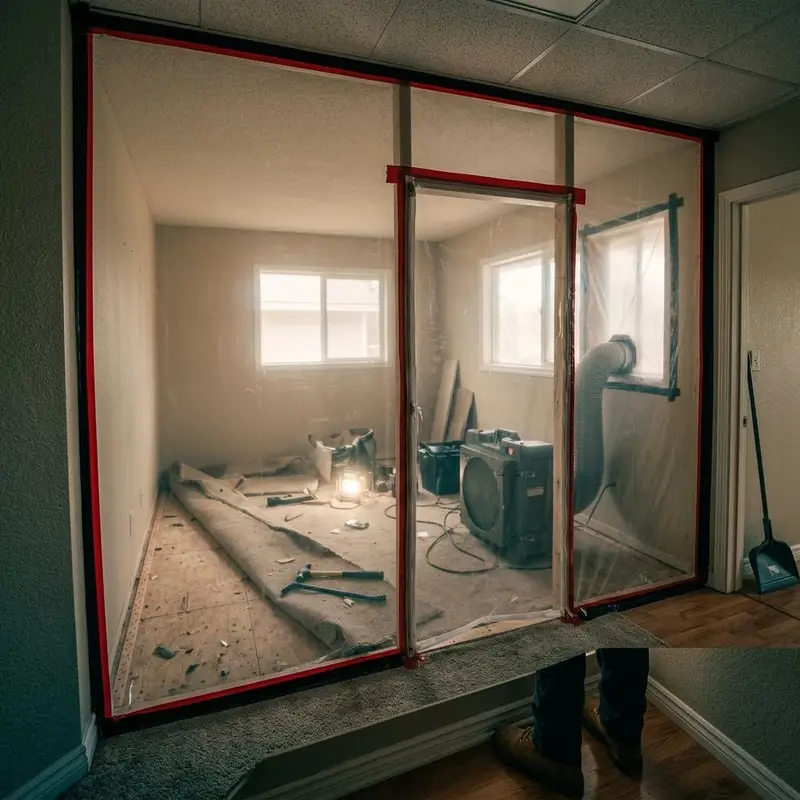
Mold on carpet is not a DIY job. Bleach and store-bought sprays only kill surface mold, not the spores deep in the carpet fibers or the padding. Worse, bleach can damage the carpet and make the problem worse by adding moisture. A professional mold removal service uses industrial-grade cleaning agents, HEPA vacuums, and drying equipment to remove the mold completely and restore the indoor air quality. They also know how to contain the area so spores do not spread to other parts of the building. For landlords, hiring a professional is an investment in the property’s value and the tenants’ health. For tenants, it is the only way to be sure the problem is truly solved, not just hidden.

Whether you are a landlord managing a single rental or a hotel chain with dozens of rooms, the principle is the same: arrange the inspection quickly, use qualified professionals, and fix the moisture source. Carpet Mold Removal Services Pros handle the entire process from identification to restoration, and they know what to look for in both residential rentals and commercial properties like hotels. They help property owners navigate the technical side of mold removal so they can focus on running their business or maintaining their investment.
Final Thoughts
The question of who should arrange a carpet mold inspection in a rental property comes down to the lease and the law. In most cases, the landlord arranges it. But the tenant plays a critical role in spotting the problem and reporting it early. When both parties work together, the mold gets removed quickly, the air quality improves, and everyone stays healthy. Delaying an inspection only allows the mold to spread, turning a small repair into a major restoration. If you suspect mold on the carpet in your rental or hotel room, speak up. That simple action can save time, money, and discomfort for everyone involved.